










If you have already deployed OpenClaw on a cloud server, the overall process of connecting to QQ is actually not complicated: first, go to the QQ Open Platform to create a QQ bot and obtain AppID 和 AppSecretThen return to the management panel of OpenClaw on the cloud to complete model configuration and channel configuration, and finally verify in QQ whether the robot can respond normally. Tencent Cloud's access method uses a visual panel, eliminating the need for you to run native commands additionally.
1. Prepare these items before starting
Before proceeding, ensure you meet the following conditions:
- Have a QQ account that has completed real-name verification.
- Already deployed OpenClaw in the Lighthouse lightweight application server.
- If your OpenClaw instance was created with an earlier version, it is best to update to a newer application version before proceeding with configuration.
- If you plan to use the QQ channel long-term, prioritize domestic servers and model services that can be stably called.
2. Register and log in to the QQ Open Platform
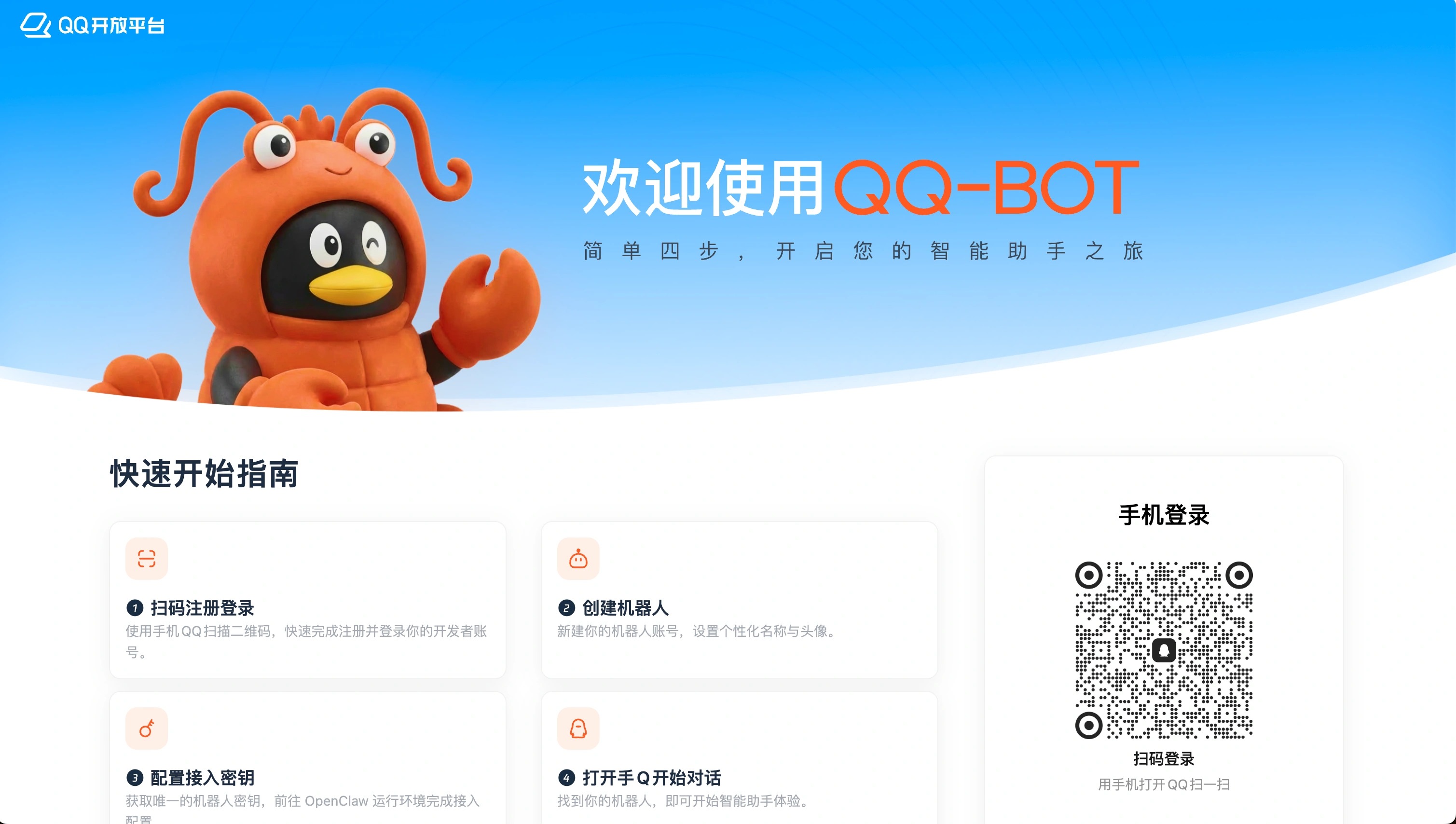
first enter QQ Open PlatformIf you have not registered before, the platform will automatically complete the registration for you and bind your current QQ account to the open platform. If you have not registered before, after scanning the code and authorization, the platform will automatically help you complete the registration and bind your current QQ account to the open platform. After finishing, you will enter the management page of the QQ robot.
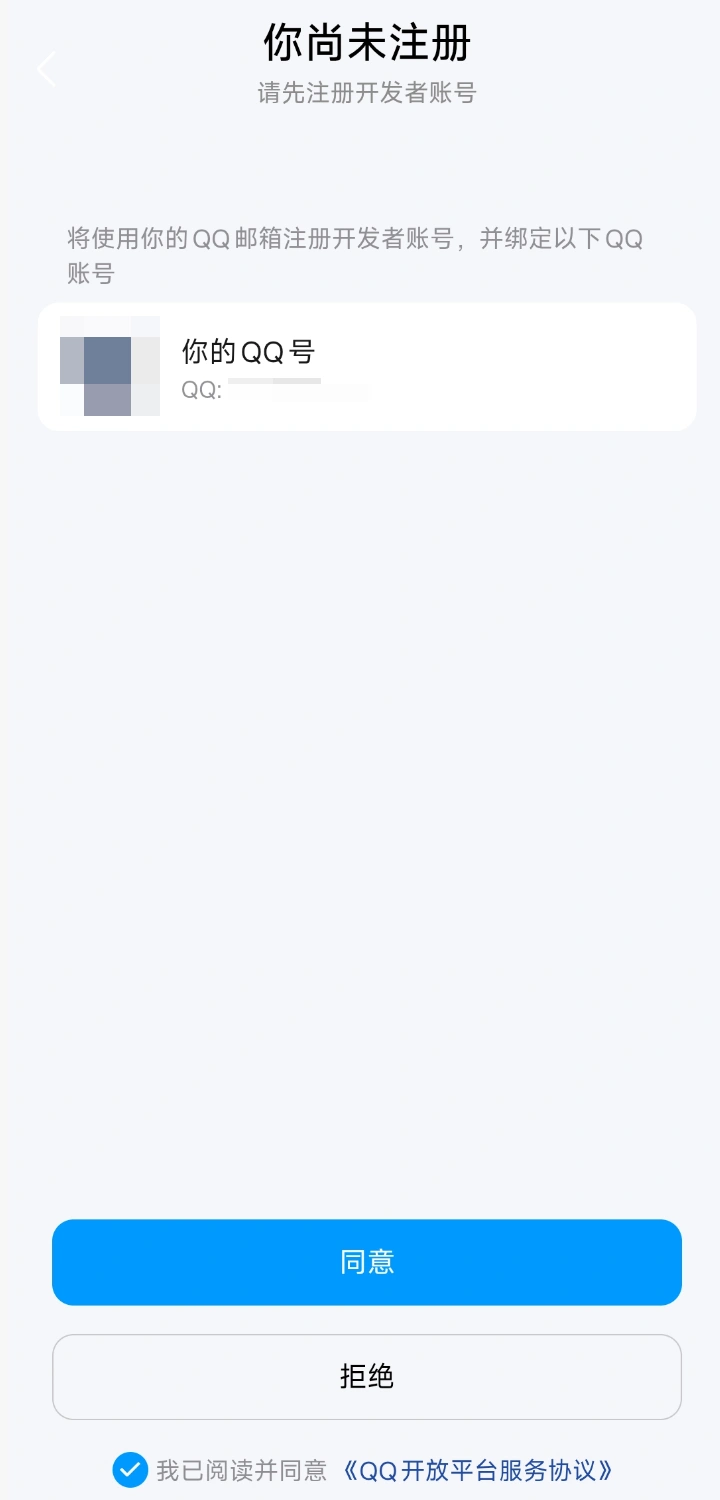
3. Create your QQ bot
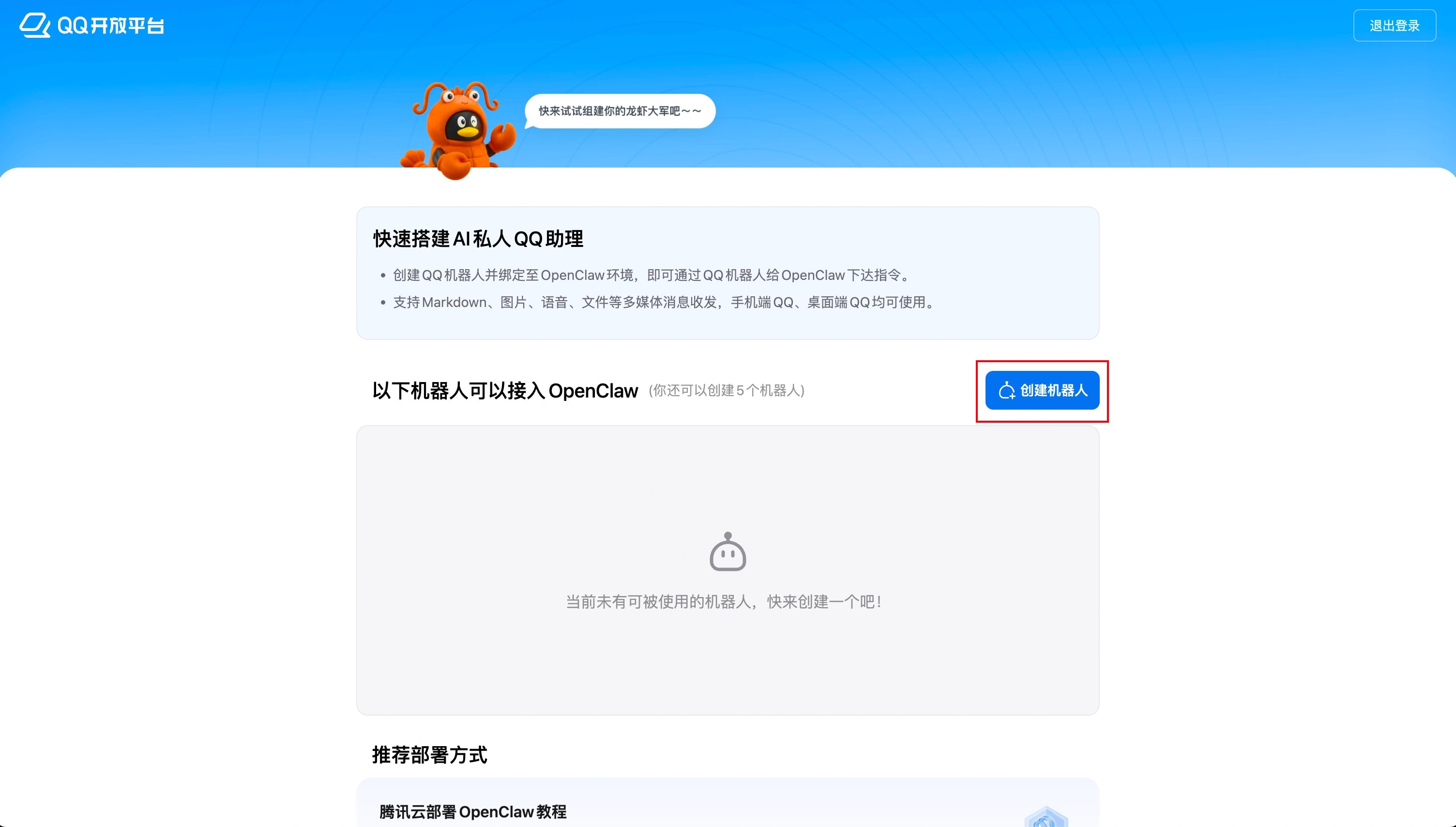
After entering the QQ bot page, click “Create Bot” and follow the prompts to set up a new bot. Once created, the system will generate two crucial parameters:
AppIDAppSecret
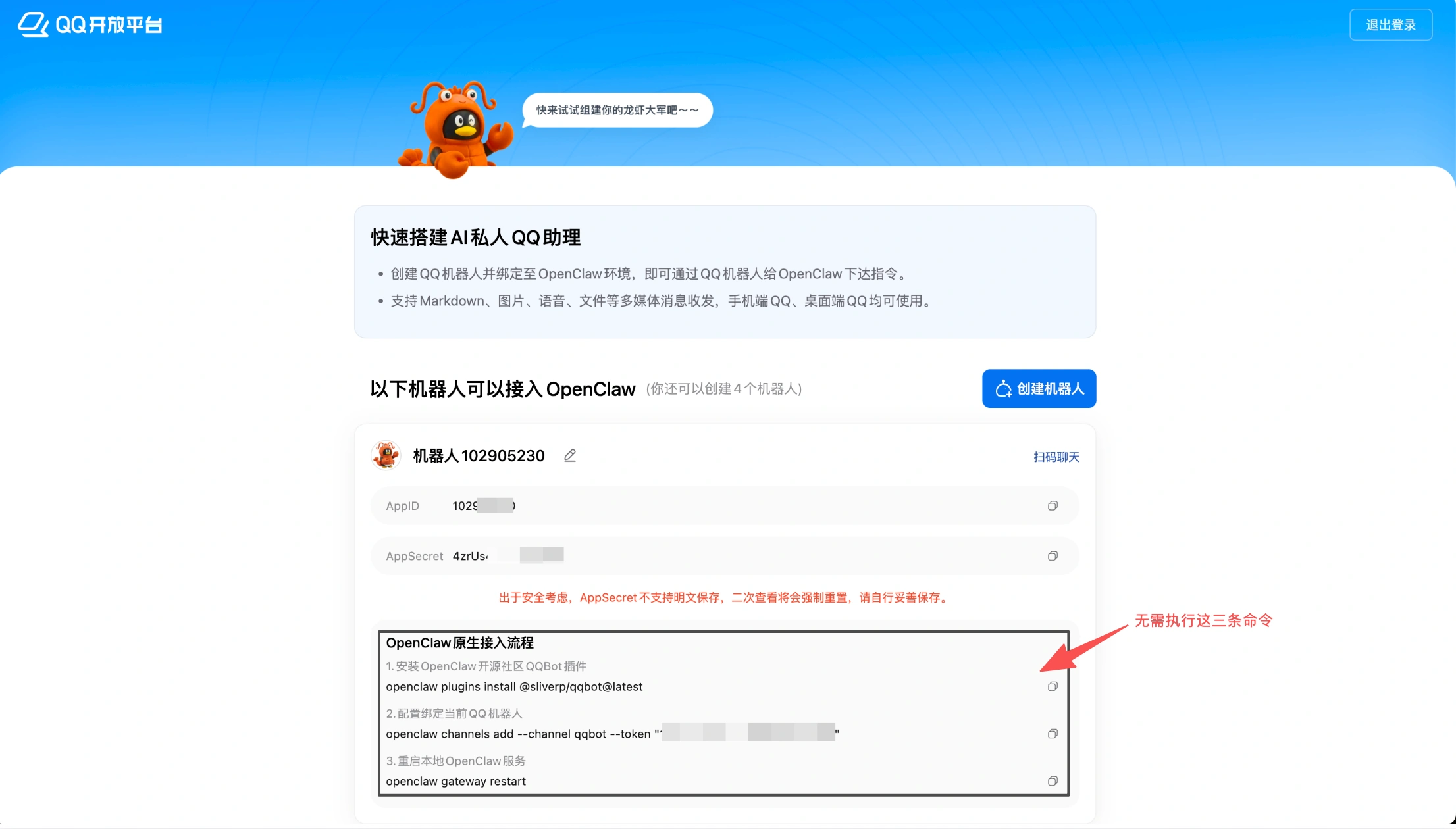
Copy and save these two values immediately; they will be required later when configuring OpenClaw. Pay special attention here,AppSecret For security reasons, it is usually not displayed in plain text for an extended period, and you may need to reset it when viewing it later, so be sure to save it properly when it first appears.
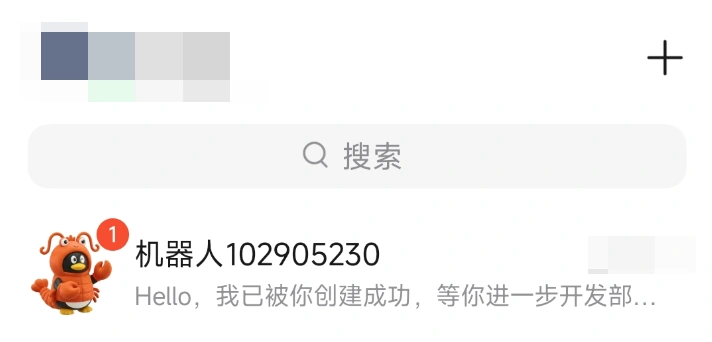
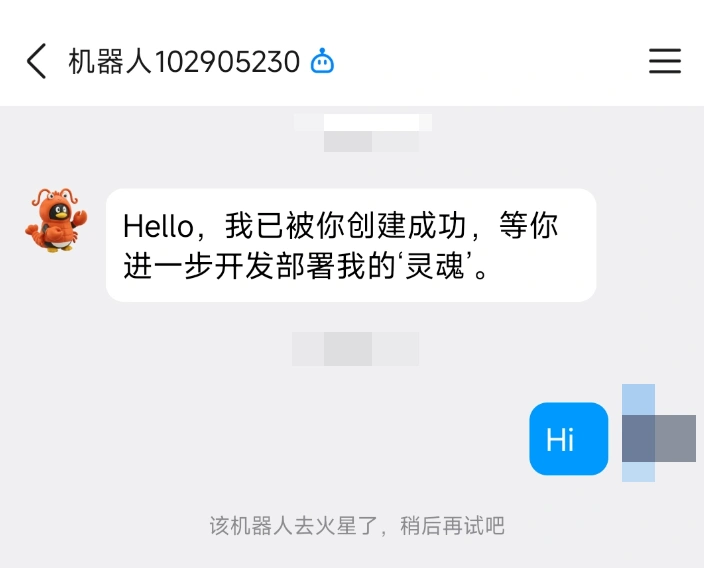
Once created, you should generally see this bot appear in the message list within the QQ client. However, it usually won't function properly yet, as it's only “set up” and hasn't actually connected to your OpenClaw instance. As mentioned in the original text, if cloud configuration hasn't been completed, you might see prompts like “This bot has gone to Mars, try again later” when chatting with it.
4. Enter the OpenClaw management page
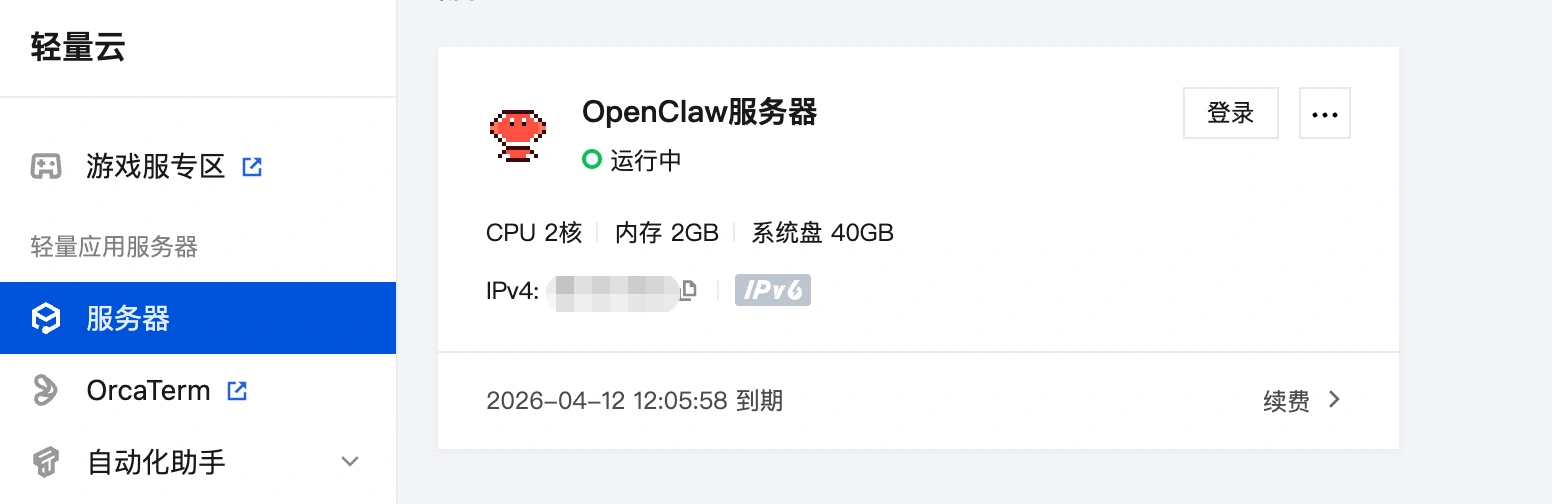
Next, return to the Tencent Cloud console, locate the Lighthouse instance where you deployed OpenClaw, enter the instance details, and then go to the “Application Management” page. The subsequent model settings and QQ channel configurations will be completed here.
5. First, configure the model
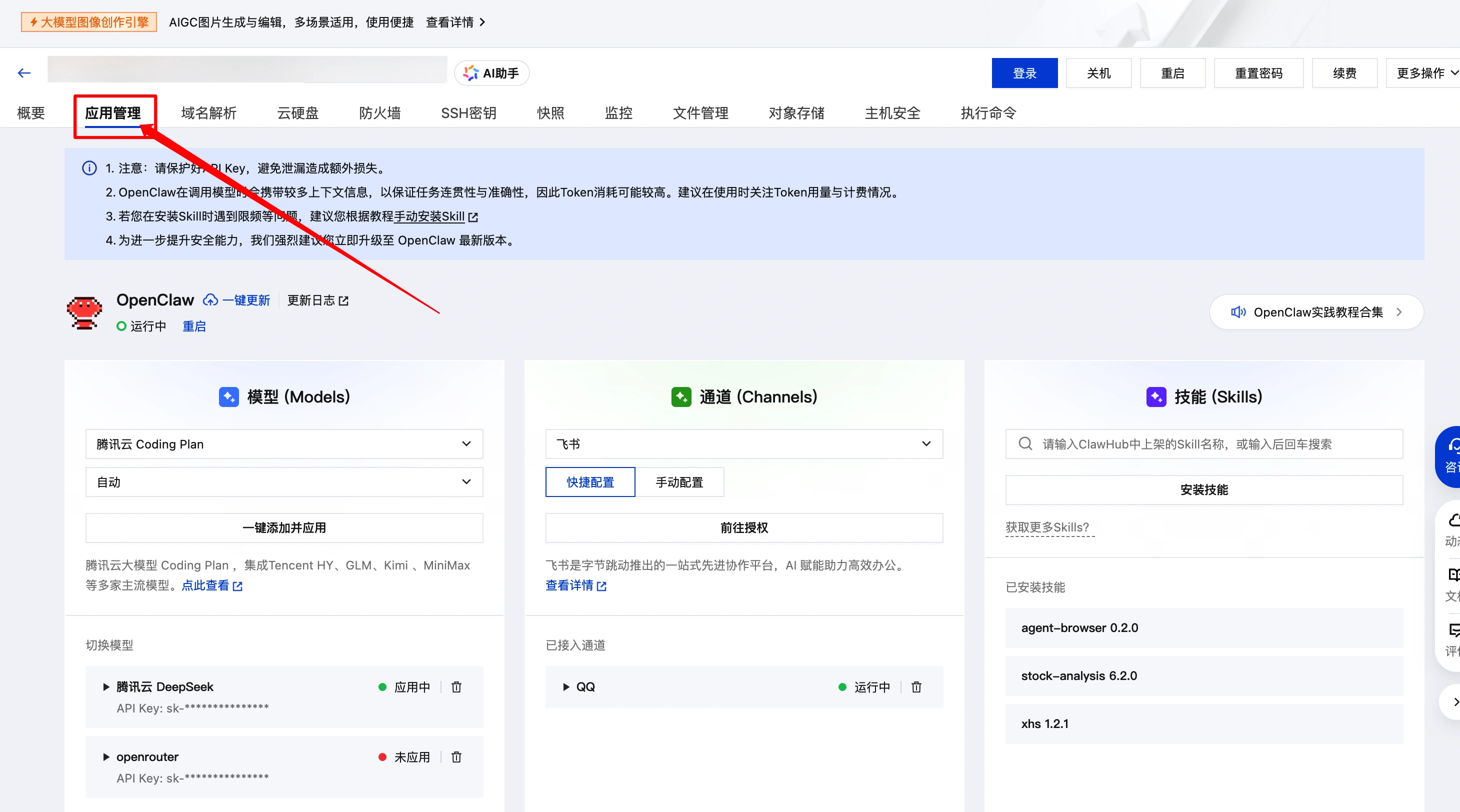
QQ is merely the entry point for messages to come in and go out; what truly handles understanding and replying to content is the model you configured for OpenClaw. Therefore, before connecting QQ, first ensure that the model API Key has been correctly filled in and that the model itself can be called normally.
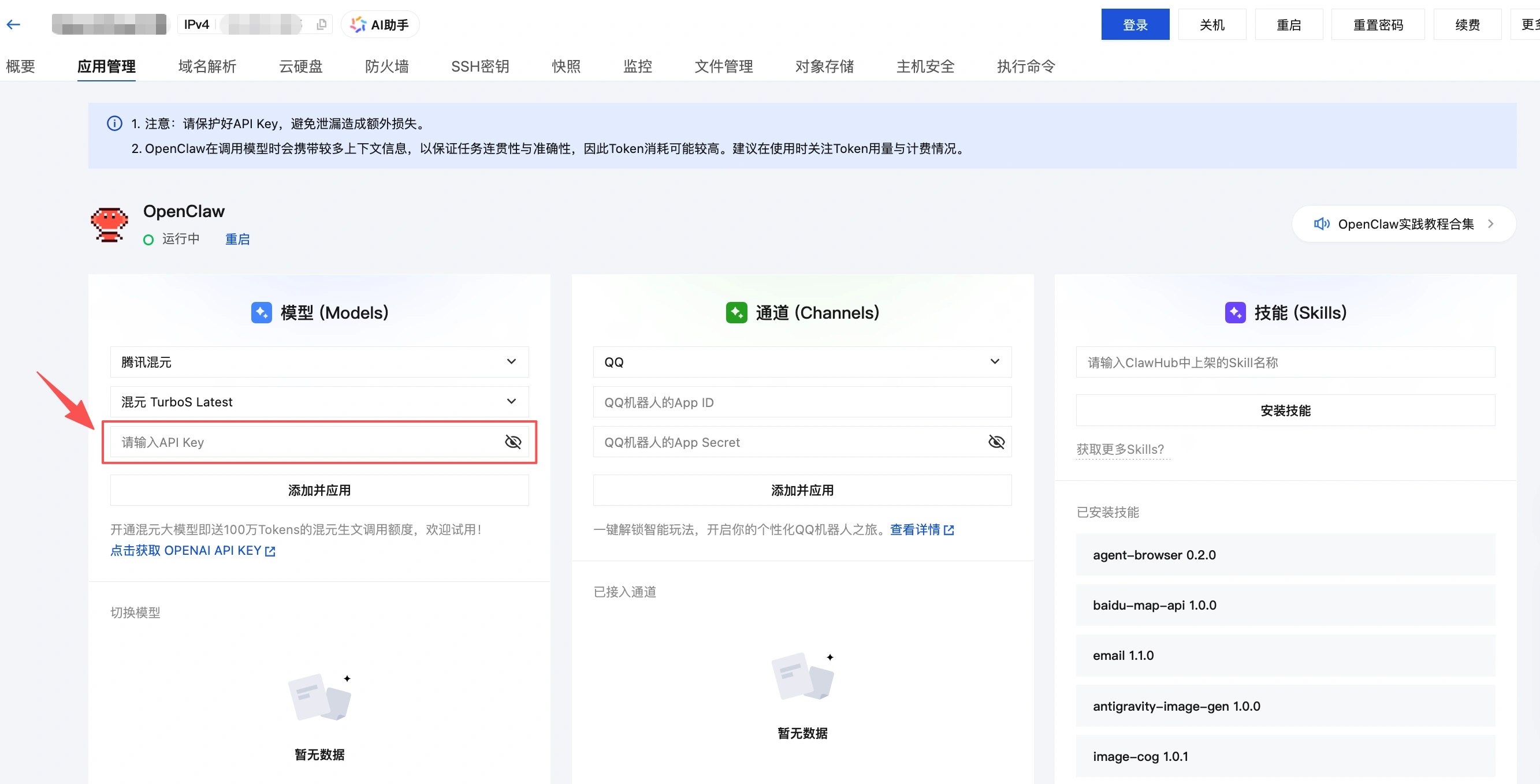
This point is very important because many people think that “QQ not responding” is due to an improperly configured channel, but in reality, one of the more common reasons is that the model is not properly configured, the key is entered incorrectly, or the model service itself is unavailable. The original text also specifically reminded that model configuration is a necessary step.View model hot model registration address。
6. Configure the QQ channel
After confirming the model is fine, proceed with channel configuration.
Find it in the “Application Management” page Channel Configure the region, add a QQ channel, then save what you just saved. AppID 和 AppSecret Fill it in, save and apply the configuration. Once the system processing is complete and the page shows a successful save, it means the QQ channel has been officially integrated into OpenClaw.
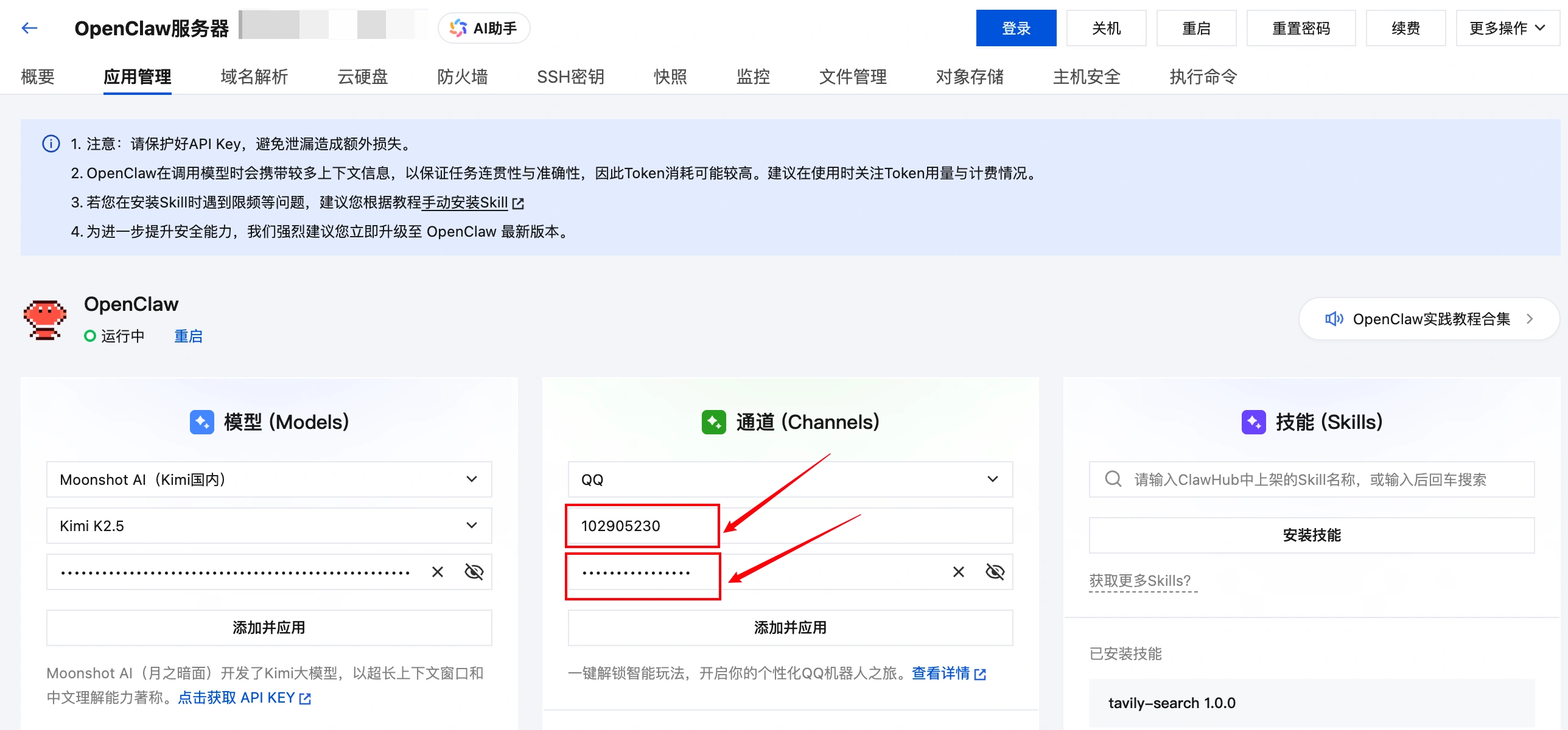
If you fill in the parameters incorrectly at this step, the most typical phenomenon is that when you return to QQ, the bot still cannot respond normally or continues to indicate an abnormal status. Therefore, if it fails, the first thing to check is whether these two values were copied incorrectly, omitted, or if an old Secret was entered.
7. Return to QQ to test if the connection is successful.
After completing the model configuration and QQ channel setup, you can return to the mobile QQ or desktop QQ and directly send messages to the bot for testing. As long as it can understand and respond normally like an AI assistant, it indicates that the entire communication link has been successfully established.
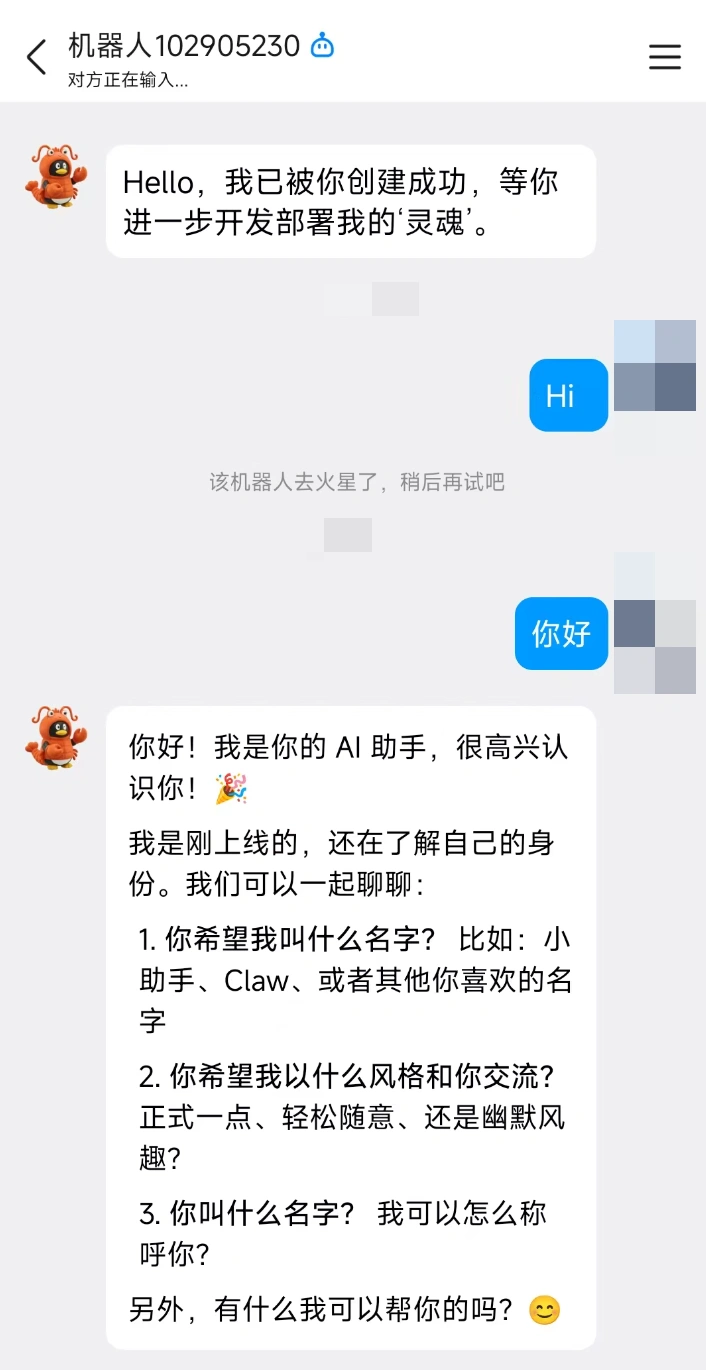
There's a detail to note here: It's not recommended to directly add this QQ bot into group chats for interaction. At least in the current scenario, prioritizing testing and usage through private chats would be more prudent.
8. What can you do after successful connection?
After connecting to QQ, the bot is not only capable of sending and receiving regular text. The original text also indicates that its capabilities include:
- Receive text
- Receive images
- Receive files
- Reply Text
- Reply Image
- Markdown Format Reply
- Proactively Send Message
- Voice Message
- Reply File
However, “historical message quoting” is currently not supported.
Another crucial reminder is: QQ is merely a channel; whether it can truly recognize images, generate images, or process files still depends on the capabilities of the underlying model behind it.
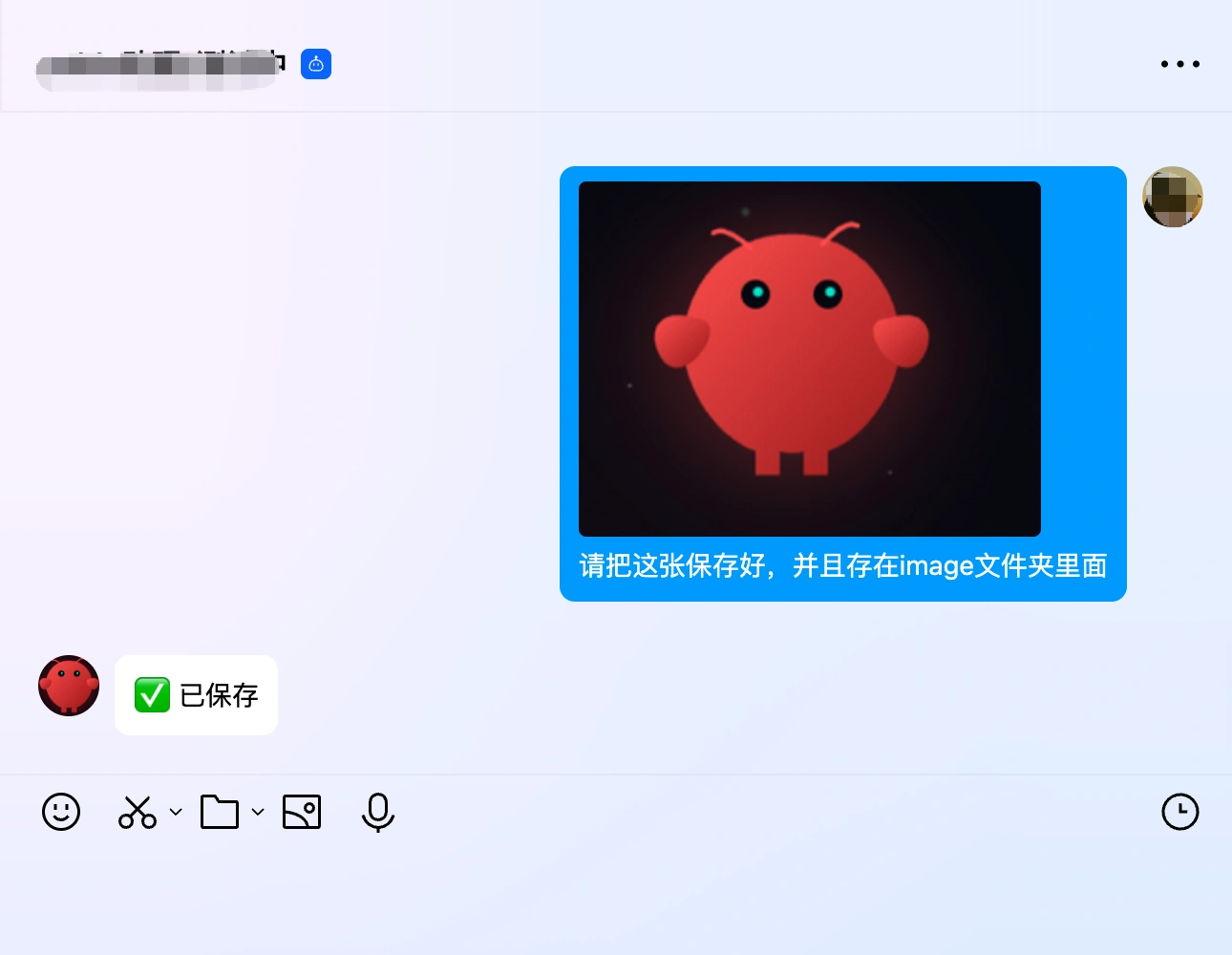
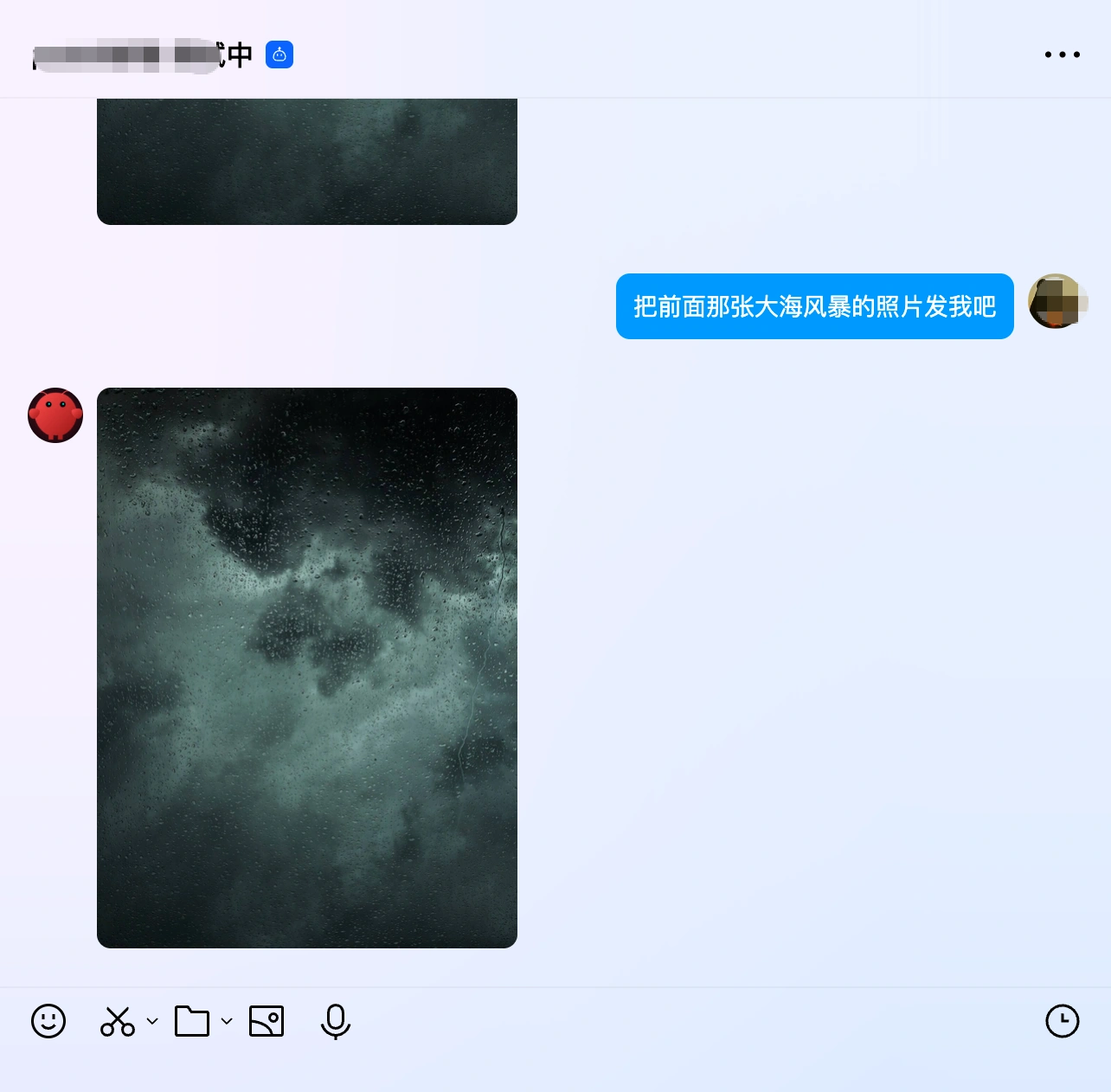
For example, if you want the robot to see images, you need to configure OpenClaw with a model that supports visual understanding; if you want it to generate images, you need to connect it to a model that supports image generation.
9. The two most common types of problems
9.1. Robot prompt abnormal, unable to converse.
If the robot replies with something like “Gone to Mars, try again later,” prioritize checking the following two items:
- Is QQ Bot not filled in OpenClaw at all?
AppID和AppSecret - Incorrect entry?
AppID或AppSecret
9.2. It looks like it's connected, but the robot just won't reply to messages
This situation is usually not an issue with the QQ channel itself, but rather an abnormal model configuration. For example, an improperly configured API key, an unavailable model, or a failed model call can all cause the bot to receive messages but be unable to respond. The solution is to return to the model configuration page of OpenClaw and recheck the model connection status.
10. Summary
To connect OpenClaw to QQ, the core is just four steps:
- Deploy OpenClaw
- Create a robot on the QQ Open Platform
- Save it properly
AppID和AppSecret - Complete model configuration and QQ channel configuration in the cloud panel
As long as these four steps are done correctly, you can smoothly turn the QQ bot into your OpenClaw conversation gateway. From there, whether it's for personal assistance, file processing, image-text Q&A, or scheduled reminders, it's all about expanding on this foundation.
 English (UK)
  Acehnese
  Afrikaans
  Shqip
Shqip  Հայերեն
  অসমীয়া
  Aymara
  Azərbaycan dili
  Bashkir
  Euskara
  Беларуская мова
  বাংলা
বাংলা  Bhojpuri
  Bosanski
  Български
  Català
  Cebuano
  Hrvatski
  Čeština
  Dansk
Dansk  Dari
Dari  Nederlands
  Esperanto
  Eesti
Eesti  Suomi
Suomi  Français du Canada
  Galego
  ქართული
  Ελληνικά
  Guarani
  ગુજરાતી
  Haitian Creole
  Hausa
Hausa  עִבְרִית
  हिन्दी
  Magyar
  Igbo
Igbo  Bahasa Indonesia
  Italiano
  Basa Jawa
  Kapampangan
  Қазақ тілі
  Konkani
  Kurdish (Kurmanji)
  كوردی
كوردی  Кыргызча
  Latviešu valoda
  Lingala
  Lietuvių kalba
  Lombard
  Македонски јазик
  Maithili
  Malagasy
  Bahasa Melayu
  मराठी
मराठी  Монгол
  العربية المغربية
  ဗမာစာ
ဗမာစာ  नेपाली
  Pangasinan
  پښتو
پښتو  فارسی
فارسی  (فارسی (افغانستان
  Polski
  Português do Brasil
  Português
  Quechua
  Română
  Српски језик
  Sicilian
  Slovenčina
  Slovenščina
  گؤنئی آذربایجان
  Español de México
  Sundanese
  Kiswahili
  Svenska
  Tagalog
  Tajik
Tajik  தமிழ்
தமிழ்  Татар теле
  తెలుగు
  ไทย
ไทย  Tsonga
  Tswana
  Türkçe
  Turkmen
  Українська
  اردو
اردو  O‘zbekcha
  Tiếng Việt
  Wolof
Wolof  Xhosa
Xhosa  English (Australia)
  English (Canada)
  English (New Zealand)
  English (South Africa)
  Aragonés
  Nederlands (België)
  Breton
  አማርኛ
አማርኛ  ភាសាខ្មែរ
  മലയാളം
  هزاره گی
  Maori
Maori  Hornjoserbšćina
  ئۇيغۇرچە
  བོད་ཡིག
  தமிழ்
தமிழ்  Reo Tahiti
  Español de Venezuela
  Español de Uruguay
  Español de Puerto Rico
  Español de Perú
  Español de Ecuador
  Español de Costa Rica
  Maltese
  Íslenska
  Friulian
  ಕನ್ನಡ
ಕನ್ನಡ  Frysk
Frysk  Luxembourgish
  ພາສາລາວ
  Latin
Latin  Norsk bokmål
  རྫོང་ཁ
  Сахалыы
  Deutsch (Österreich)
  Taqbaylit
  Norsk nynorsk
  Occitan
  ਪੰਜਾਬੀ
  Português de Angola
  Gàidhlig
  Português (AO90)
  Irish
Irish  Sanskrit
  سرائیکی
  سنڌي
سنڌي  Dolnoserbšćina
  Ruáinga
  Español de Argentina
  Español de Chile
  Deutsch (Schweiz, Du)
  Ślōnskŏ gŏdka
  සිංහල
සිංහල  Español de República Dominicana
  Español de Guatemala
  Français de Belgique
  Español de Colombia
  Cymraeg